3 Things I Would Never Skip in a New Build
Building a home from the ground up is exciting, but it can also feel overwhelming with the amount of decisions that need to be made. Over the years, we’ve learned that there are a few things that truly shape how a home looks, feels, and functions long term — and they’re the details we would never recommend skipping.
These aren’t just upgrades for aesthetics. They’re the elements that make a home feel intentional, elevated, and timeless.
1. Thoughtful Lighting Design
Lighting completely changes the way a home feels. It’s one of the most overlooked parts of a new build, yet it has one of the biggest impacts.
We always recommend planning lighting early, not just decorative fixtures, but the placement of recessed lighting, integrated LED lighting, sconces, under-cabinet lighting, and dimmers throughout the home.
A beautiful home can instantly feel flat with poor lighting, while intentional lighting adds warmth, depth, and atmosphere.
Some of our favorite details:
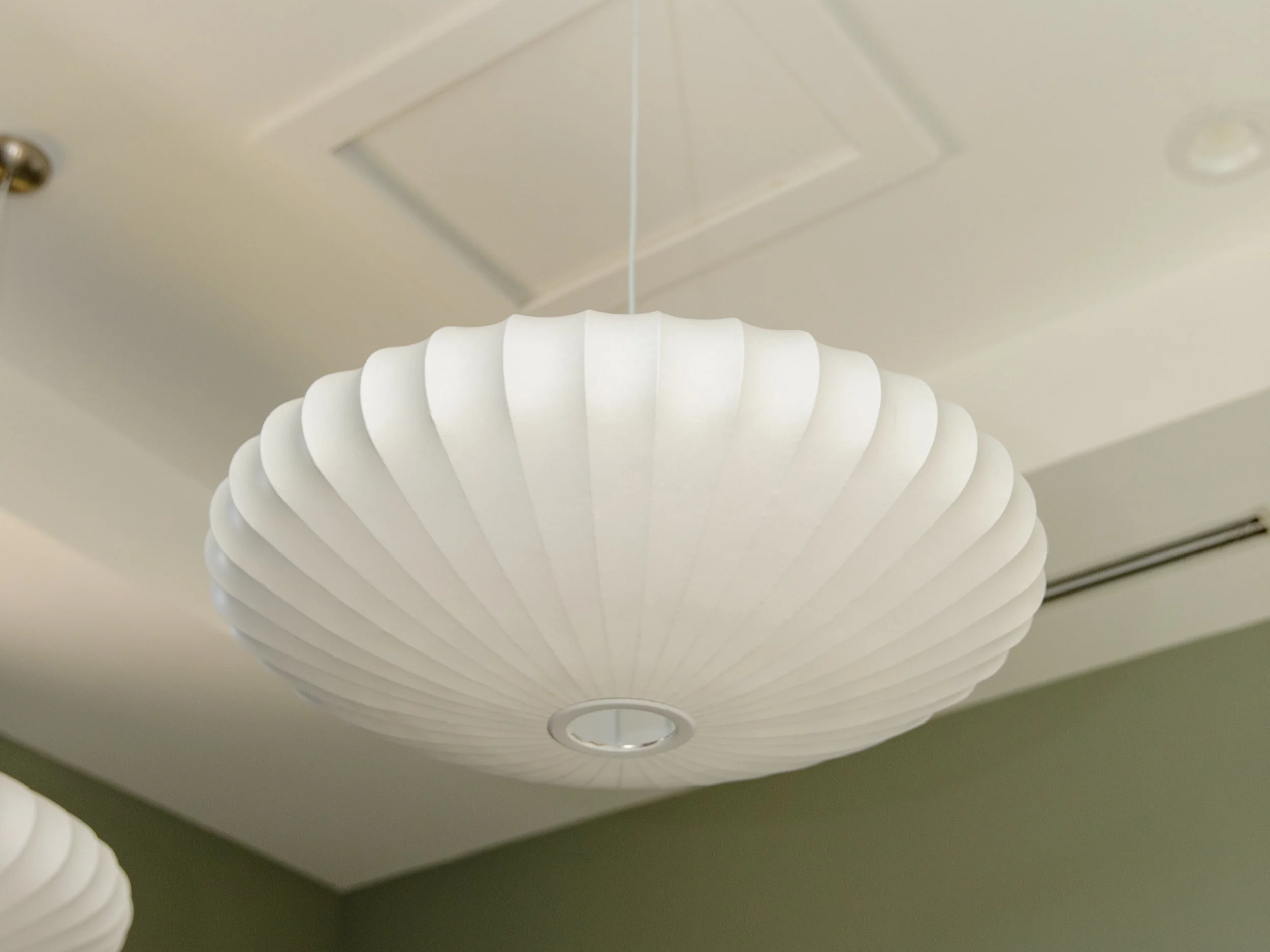
Warm lighting temperatures throughout the home
Integrated lighting in millwork and shelving
Statement pendants over islands and dining spaces
Dimmers in every main room
Visual Ideas:
Before & after lighting comparison
Nighttime photos showing layered lighting
Close-up shots of sconces, pendants, or integrated LED details
Behind-the-scenes electrical walkthrough photos
2. Custom Millwork & Storage
One thing we never skip is custom millwork. It’s what gives a home personality and makes it feel designed specifically for the family living in it.
From kitchen cabinetry and mudrooms to bathroom vanities and built-ins, custom storage creates both beauty and functionality. The smallest details, panel widths, hardware placement, wood tones, and interior organization, make a huge difference in the final result.
We always try to design spaces that not only look elevated, but also work better for everyday life.
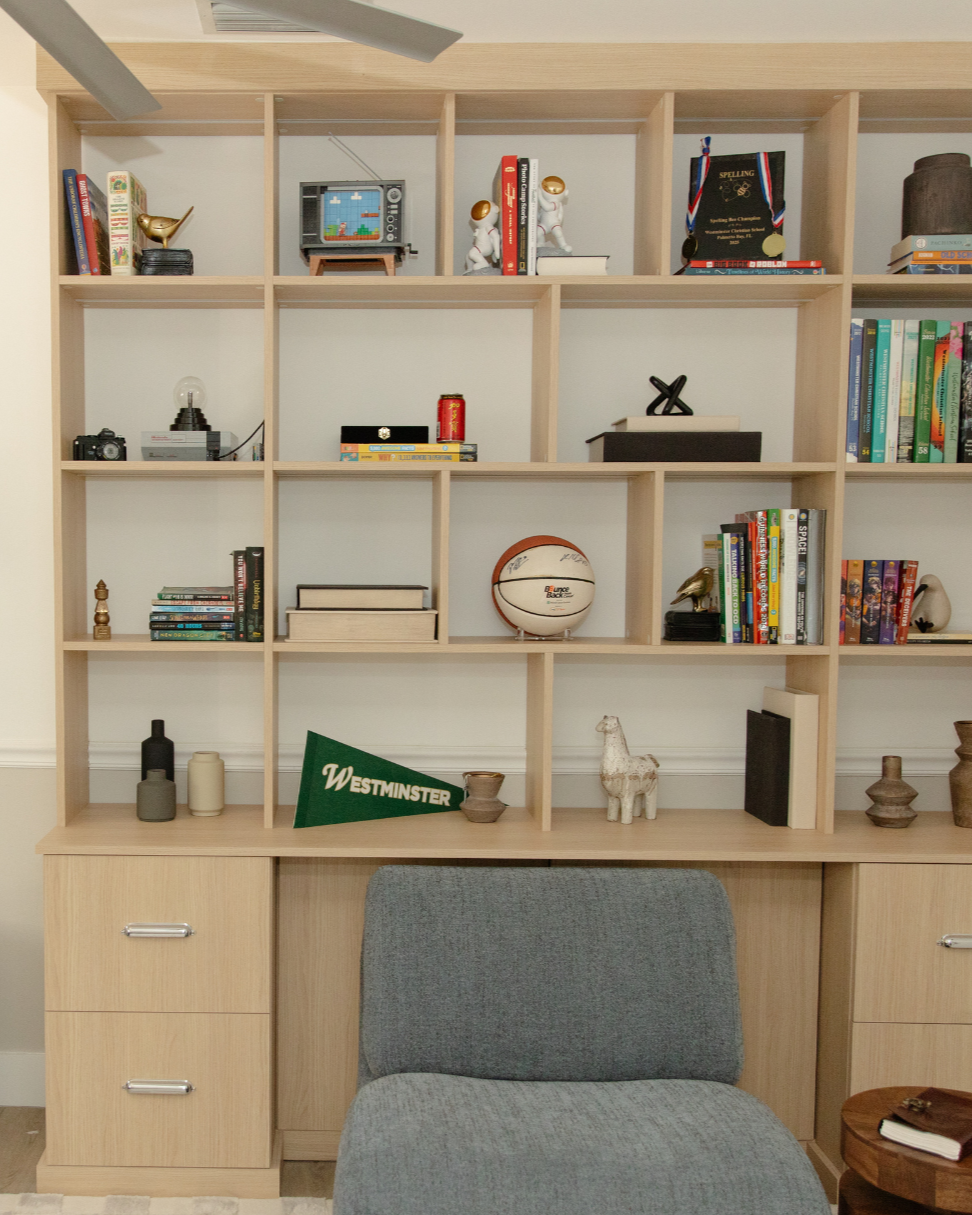
Some examples:
Hidden appliance storage in kitchens
Built-in desks for kids or work-from-home spaces
Mudrooms with intentional storage
Custom vanities with functional drawer layouts
Visual Ideas:
Millwork drawings or renderings
Close-up detail shots of cabinetry and hardware
Before & after organization transformations
Progress photos during installation
3. Tile Layout & Material Selection
Tile is more than just a finish it becomes part of the architecture of the home. The layout, scale, grout color, and installation pattern can completely change the feel of a space.
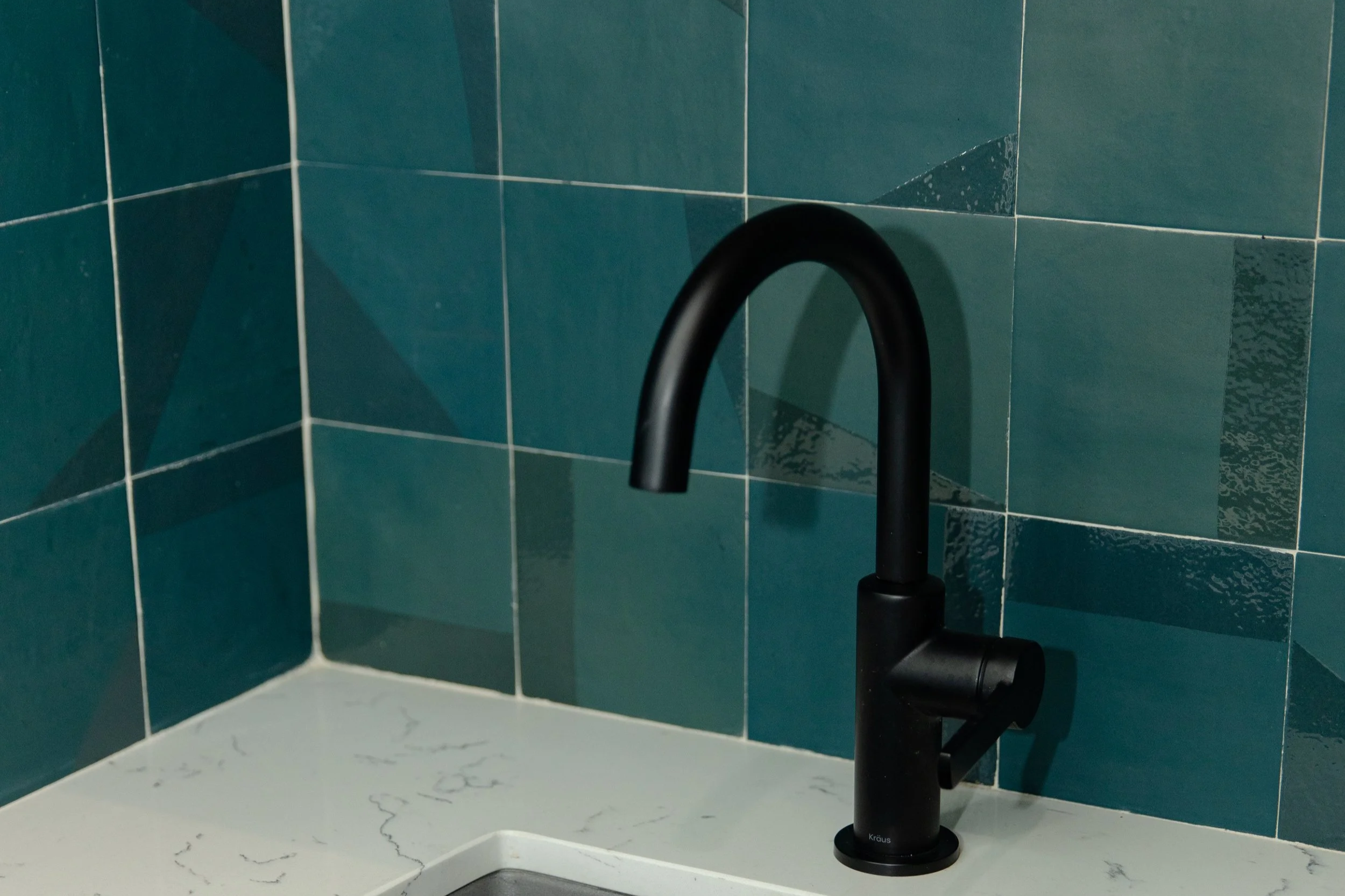
We spend a lot of time carefully selecting materials and creating custom layouts that feel unique to each project. Whether it’s a subtle checker pattern, vertical stacked tile, or a large-format stone installation, the details matter.
The goal is always to create something timeless, cohesive, and intentional.
Things we always consider:
How tile transitions between spaces
Scale and proportion within the room
Grout color and grout line thickness
Unique layouts that add subtle character
Visual Ideas:
Flat lays of tile samples and material palettes
Installation process photos with layout markings
Close-up texture shots
Side-by-side comparisons of different tile layouts
Wide shots showing how tile flows throughout the home
Final Thoughts
A new build is filled with decisions, but the homes that feel the most timeless are the ones where the details were considered from the very beginning.
Thoughtful lighting, intentional millwork, and carefully planned material selections are the elements that truly elevate a home and make it feel complete. These are the details that not only photograph beautifully, but also improve how the home functions and feels every single day.
Work with Us!
If you’re planning a new build or renovation, remember that the smallest details often make the biggest impact. Taking the time to thoughtfully design each layer of the home creates a space that feels cohesive, elevated, and built to last.